

I sold new construction for years. Here's what most buyers were never told.
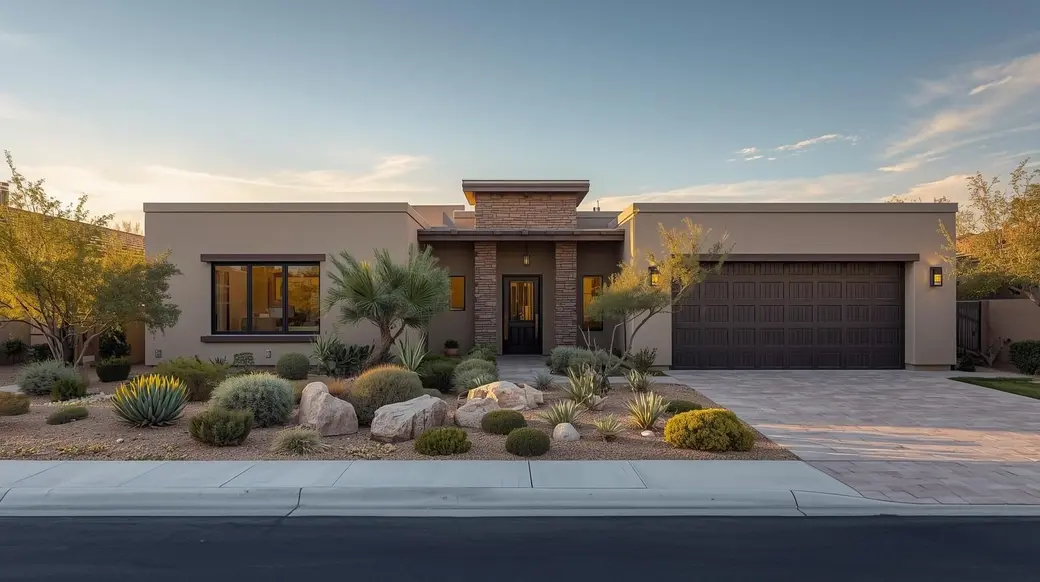
After years of being trained as a builders new construction sales agent I reflect back to so many things the builder hopes you never ask when you walk in without a realtor.
Over 80% of buyers do not bring a realtor with them and that's because most agents are not comfortable or have negative beliefs about builders so they never even discuss it with you.
What they usually will not tell you is why — or whether that preference has anything to do with what is actually best for you.
Because in most of these conversations, the recommendation is shaped long before you ever ask the question.
Agents who work closely with builders tend to sell new construction. Agents who work almost entirely in resale tend to steer buyers there instead. Very few have spent enough time inside both systems to compare them honestly.
I have.
I spent years on the builder side before making the move to represent my clients on both sides of the transaction — the sale of their current home and the move into what comes next. That means I have seen how builder pricing is structured, how contracts are written to protect the builder first, and how to time both sides of a move so nothing falls through the gap.
And the buyers who get this wrong most often are move-up buyers — the ones who bought their first home five to seven years ago and are now stepping into what comes next. Not because they are uninformed. Because everyone around them has an agenda.
This is the version without one.
Why most comparisons are useless
Every article you will find comparing new construction to resale reads like a checklist. New construction has warranties. Resale has mature landscaping. New construction takes longer. Resale is available now.
That checklist tells you nothing useful.
What move-up buyers actually need to know is where each option is structurally designed to benefit the seller — builder or individual homeowner — and where your leverage as a buyer actually exists.
Those two things are almost never discussed honestly. Here is where to start.
What new construction is actually selling you
The model home is not your home. It never is.
Everything in a model home is an upgrade. The flooring, the fixtures, the lighting, the cabinetry, the landscaping — almost none of it is included at base price. Builders spend significant money designing model homes specifically to create emotional attachment before the contract conversation begins.
By the time you sit down with the sales agent — who works for the builder, not for you — you have already decided you want the home. That shift in leverage happens before a single number is discussed.
What new construction genuinely offers move-up buyers: everything is under warranty for a defined period, energy efficiency is built in from the start, you are not inheriting someone else's deferred maintenance, and customization is available if you are early enough in the build cycle.
In the current Las Vegas market, builders are also offering meaningful incentives — rate buydowns, upgrade credits, and closing cost assistance — specifically to move inventory. For a move-up buyer with strong equity from their first home, those incentives can significantly change the monthly payment math.
What new construction costs you that no one mentions upfront: the contract is written entirely by the builder's legal team, contingency protections are limited or removed, you are committing to a price today for a home that will not close for months, and the final product may not match what you selected if materials or timelines shift.
That gap between what you agreed to and what you receive is where most new construction disputes begin.
What resale is actually selling you
Resale feels more straightforward because the home exists. You can walk through it. You can see what you are buying.
But resale has its own set of structural pressures that move-up buyers underestimate.
What resale genuinely offers: established neighborhoods with known characteristics, mature landscaping and developed community infrastructure, immediate availability with no waiting on a construction timeline, and more room to negotiate on price — especially in a market shifting toward buyers.
In Las Vegas right now, resale inventory is up significantly compared to a year ago. That means move-up buyers have more options and more negotiating leverage than they have had in years. A home that has been sitting on the market for 60 to 90 days is a conversation, not a take-it-or-leave-it.
What resale costs you that gets minimized: you are buying someone else's decisions — updates, deferred maintenance, and design choices that may not match what you want. Inspection findings become a negotiation, and sellers have varying levels of willingness to address them. The standard resale contract in Nevada is more balanced than a builder contract, but it still requires someone in your corner who knows how to use it.
The contract difference most buyers never see
This is where the comparison becomes critical — and where having worked on the builder side changes everything.
A standard Nevada resale contract is a state-approved document. It is written to be relatively neutral. Buyers have inspection rights, appraisal protections, and financing contingencies built in by default.
A builder contract is written by the builder's attorneys. It is designed to protect the builder's timeline, pricing, and ability to close on their terms. Contingencies are limited. Cancellation rights are narrow. Closing is enforced through penalties.
Move-up buyers who walk into a builder's sales office without their own representation are signing a document that was not written with them in mind. And without someone managing both sides of the transaction — the exit and the entry — the timing alone can cost you more than any negotiation will save.
That does not mean new construction is wrong. It means the contract requires someone who understands it from both sides — not just someone who has been trained to sell it.
How move-up buyers should actually decide
The question is not which option is better. The question is which option is better for your specific situation right now.
Ask yourself: Do you need to sell your current home first, and if so, how does that timeline work with a builder's schedule versus a resale closing? Is your priority a specific neighborhood and lifestyle, or is it a specific product and features? How much of your equity do you want to bring to the table, and which contract structure gives you the most protection for that money? Are the builder incentives currently available in Las Vegas genuinely changing the numbers, or are they repackaging margin as a gift?
Those are not questions with universal answers. They are the questions a buyer's agent who has been inside both systems should be helping you think through before you walk into any model home or write any offer.
What I see that most agents cannot
Having worked for a builder before moving into full service representation, I can read a builder contract the way it was written — from the inside.
I know which clauses are standard and which are negotiable. I know which incentives represent real value and which are designed to close the deal at a price that benefits the builder. And I know how to coordinate the sale of your current home and your move into new construction as one strategy — so the timing works for you, not against you.
That perspective does not make new construction the wrong choice. In the right situation, it is the right move. But it does mean the comparison you make going in should be based on how both systems actually work — not how they are presented in a sales environment.
You built equity in your first home. Before you decide what to do with it, let's make sure the comparison you are working from is the right one.
Whether you are leaning toward new construction or resale, the decision deserves a conversation with someone who has been inside both contracts. I will walk you through both options based on your equity position, your timeline, and your priorities — before you commit to anything.
Schedule your consultation:
https://calendar.app.google/5zvZfjKrf9PvnRXa8
If you prefer text, you may message me directly. Your next home should be a step forward, not a contract signed before you had the full picture.
Candice Grigg
The Pink Bug Realtor
Continue the series
If this article opened up more questions than it answered, that is exactly the point. The rest of this series goes deeper into the parts of this process most people never think to ask about.
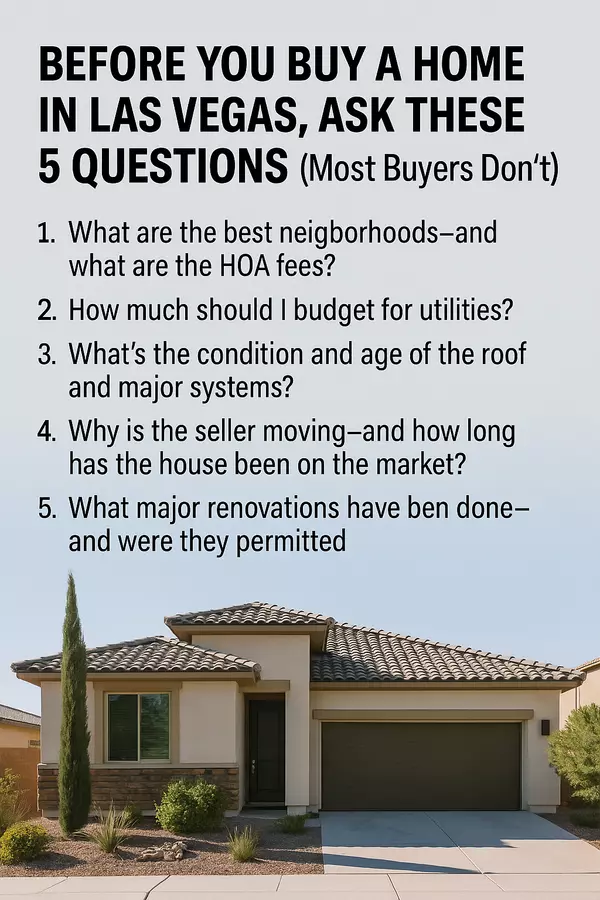
Blog 1: Before you buy a home in Las Vegas, ask these 5 questions
pinkbugrealtor.com
Blog 2: Before you tour a Summerlin model home, read this or risk overpaying
pinkbugrealtor.com
Blog 3: What home builders won't tell you about new construction contracts
pinkbugrealtor.com
Blog 4: How builders structure pricing — what I learned from working for the builder
pinkbugrealtor.com
Blog 6: Coming soon
Categories
Recent Posts




GET MORE INFORMATION